Periodontal Treatment for Adults: Common Procedures and Results
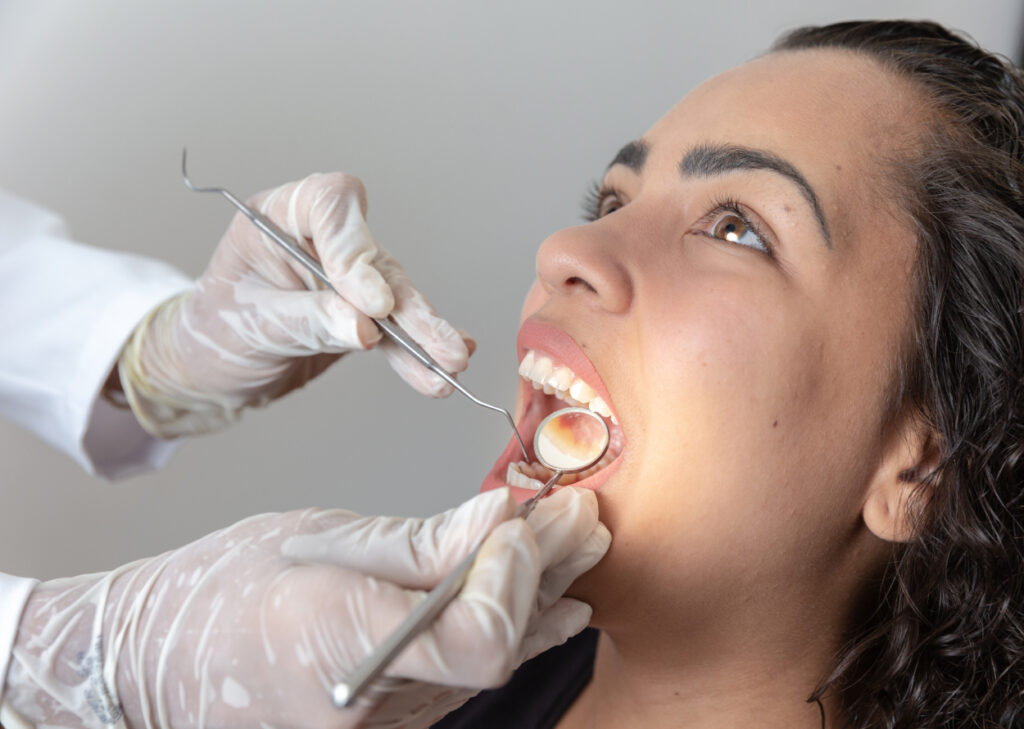
Gum disease rarely announces itself with drama. More often, it creeps in quietly, with a little bleeding while brushing, a bad taste that does not go away, or gums that seem to be pulling back from the teeth. Many adults ignore those signs for months or years because the teeth may not hurt. That is one reason periodontal disease remains so common in adults, especially after the thirties and forties, when years of plaque accumulation, old dental work, smoking history, dry mouth, or inconsistent dental care begin to show their effects.
Periodontal Treatment is the broad term for care aimed at stopping gum infection, preserving the bone that supports teeth, and restoring a healthier oral environment. It can be straightforward, such as deep cleaning under the gums, or more involved, such as surgery to reduce deep pockets or rebuild lost tissue. The right option depends on how far the disease has progressed, how a patient heals, and how well daily home care can be maintained afterward.
For most adults, the central truth is simple: the earlier treatment begins, the better the odds of keeping natural teeth with less invasive care. Once gum disease has destroyed significant bone and ligament support, treatment can still help, but the goals often shift from reversal to control, stability, and strategic maintenance.
What periodontal disease looks like in adults
Healthy gums fit snugly around the teeth. They do not bleed easily, and the space between gum and tooth is usually shallow enough to clean naturally and with daily brushing and flossing. In periodontal disease, bacterial biofilm accumulates along and below the gumline. The body responds with inflammation. Over time, that inflammation damages the attachment between tooth and gum, and the supporting bone may begin to dissolve.
At first, this may show up as gingivitis, which is inflammation limited to the gums. Gingivitis is reversible if plaque and tartar are removed and home care improves. Periodontitis is more serious. In periodontitis, the infection and inflammatory response affect deeper supporting structures. The gums separate from the teeth, forming pockets where bacteria thrive beyond the reach of ordinary brushing.
A patient in the early stages may only notice bleeding. A patient with moderate disease may start complaining that food catches between teeth, or that the teeth look longer because the gums have receded. In more advanced cases, teeth can drift, feel loose, or change the way the bite comes together. Bad breath is common. So is embarrassment. Adults often tell their dentist they assumed the bleeding was from brushing too hard, when in fact it was a sign the gums were already inflamed.
How dentists and periodontists decide on treatment
A proper periodontal exam is more than a quick glance. The clinician measures pocket depths around each tooth, checks for bleeding, evaluates gum recession, looks for tooth mobility, and reviews X rays for bone loss. Existing crowns, fillings, and bridges matter too, because overhanging margins and difficult-to-clean contours can trap plaque and complicate treatment.
Several practical questions shape the plan. Is the disease generalized or limited to a few sites? Is the bone loss mild, moderate, or severe? Is there an abscess? Has the patient been missing routine cleanings for years, or is this happening despite regular care? Does the person smoke? Are diabetes and dry mouth in the picture? Is there grinding or clenching that may be worsening mobility?
Those details matter because periodontal disease is not managed by one universal recipe. Two adults can have similar X rays and require different care based on inflammation levels, immune response, home care habits, and willingness to return for maintenance.
The first phase: controlling infection without surgery
For a large share of adults, treatment begins with non-surgical therapy. This is often called scaling and root planing, though many patients know it simply as a deep cleaning. The goal is to remove plaque, tartar, and bacterial deposits above and below the gumline, especially from root surfaces where biofilm tends to cling.
This is more involved than a routine prophylaxis cleaning. In a standard cleaning, the hygienist removes mild to moderate buildup from areas that are generally accessible and appropriate for maintenance. In scaling and root planing, the clinician works deeper under the gums, often numbing sections of the mouth to make the procedure comfortable. Depending on the amount of disease, treatment may be completed over two visits, sometimes divided by side or by quadrant.
The word "root planing" can sound alarming, but in practical terms it means smoothing contaminated root surfaces so the tissue has a cleaner environment in which to heal. The older idea that roots had to be aggressively scraped smooth has softened over time. Today, most skilled clinicians aim for effective biofilm and calculus removal with as little trauma as possible.
Adults often ask what results to expect after deep cleaning. In mild to moderate cases, bleeding can decrease noticeably within days to a few weeks. Gum tenderness usually improves, and puffiness begins to subside. Pockets may shrink as inflammation resolves and the tissue tightens. This does not mean lost bone has magically returned. It means the gums are healthier and more stable. A 6 millimeter pocket might reduce to 4 millimeters, which can make a meaningful difference in long-term maintenance.
Sometimes the clinician also places a localized antibiotic into a deep site after cleaning. These medications, delivered directly into the pocket, can help in selected cases. They are not a substitute for proper instrumentation, and they do not erase the need for excellent home care. Their benefit tends to be greatest in persistent isolated pockets rather than in every patient across the board.
What the first few weeks can feel like
Recovery after non-surgical Periodontal Treatment is usually manageable, but it is not always dramatic or identical from one person to another. Some adults feel only mild soreness for a day or two. Others notice increased tooth sensitivity, especially to cold air or cold drinks. This happens because inflamed swollen tissue starts to shrink, exposing more root surface. The teeth may actually be healthier while feeling temporarily more sensitive.
It is also common for the spaces between teeth to look slightly larger after treatment. Patients can be surprised by this. What they are really seeing is the disappearance of swollen, infected tissue that had been filling those areas. A cleaner, less puffy gumline may look less full, but that change usually reflects healing, not damage caused by the treatment.
Clinicians usually reevaluate within four to eight weeks. That follow-up is important. It shows which areas responded, which pockets remain deep, and whether surgery or more targeted therapy is needed. It is also the point where an honest conversation often happens. If plaque control at home is still weak, even technically excellent treatment will struggle to succeed.
When surgery becomes the better option
Not all periodontal pockets respond enough to deep cleaning alone. In some adults, deposits are too deep, root anatomy is complex, or the bone loss pattern creates spaces that are difficult to debride thoroughly without direct access. That is where periodontal surgery enters the picture.
One of the most common surgical approaches is flap surgery, sometimes called pocket reduction surgery. The gum tissue is gently reflected to allow direct visualization of the roots and bone. Deposits can be removed more thoroughly, diseased tissue is addressed, and the gums are repositioned to reduce pocket depth. For the right patient, this can make home cleaning far more realistic afterward.
Surgery sounds intimidating, but modern periodontal procedures are often more controlled and comfortable than patients expect. Local anesthesia is routine, and many practices offer sedation for anxious adults. There is swelling, tenderness, and dietary modification for several days, but most people can return to desk work quickly. The more meaningful challenge is not the week after surgery. It is maintaining the improved result for years.
The main benefit of surgical therapy is access. Deep pockets hidden below the gumline are hard to clean blindly. Once the periodontist can see the contours directly, treatment becomes more precise. Surgical intervention may also reshape uneven bone architecture when that contour is contributing to recurrent pocketing.
Regenerative procedures and what they can realistically achieve
Some defects are especially suitable for regenerative treatment. These are areas where the pattern of bone loss creates a contained space that can support healing materials. In those cases, the periodontist may place bone graft material, membranes, or biologic agents intended to encourage new support around the tooth.
Patients often hear the word "regeneration" and imagine complete restoration to the way the mouth looked at age twenty-five. That is not a realistic expectation in many cases. Regenerative therapy can be valuable, but its success depends heavily on defect shape, tooth anatomy, absence of smoking, good plaque control, and patient follow-through. It is not a guaranteed rewind button.
When regeneration works well, the practical result may be reduced probing depth, improved support around the tooth, and a better long-term prognosis. Sometimes the radiographic changes are modest but clinically meaningful. Even gaining a few millimeters of support in the right location can help preserve a tooth that might otherwise have had a poor outlook.
A periodontist with experience will be selective about where regeneration is recommended. Broad, shallow bone loss generally responds less favorably than deeper, more vertical defects. That selective judgment is part of good care. Adults should be wary of any treatment presentation that suggests every periodontal defect can be rebuilt predictably.
Gum grafting for recession and root exposure
Not all periodontal care is about infection control alone. Many adults seek treatment because their gums have receded. Recession may stem from prior periodontal disease, brushing too aggressively, thin tissue, orthodontic movement, or anatomical factors. Exposed roots can be sensitive, prone to decay, and aesthetically troubling, especially in the smile zone.
Gum grafting addresses these concerns by thickening tissue and, in many cases, covering part of the exposed root. The graft may come from the patient's own palate or from processed donor tissue. The exact approach varies according to tissue thickness, blood supply, the amount of recession, and cosmetic goals.
Results can be excellent, but they are not uniform. Thick, healthy tissue generally responds better than very thin, fragile tissue. Teeth with recession between otherwise intact neighboring papillae tend to have more favorable root coverage potential than teeth with significant loss of the surrounding support. Adults considering grafting should understand both the functional and cosmetic goals. Sometimes the best result is not perfect coverage, but a more durable, comfortable gumline that is easier to keep healthy.
Teeth that cannot be predictably saved
One of the harder realities in periodontics is that not every tooth is a good candidate for heroic treatment. Severe mobility, advanced bone loss extending close to the root tip, vertical root fractures, or hopeless furcation involvement in molars can make retention unrealistic. In those situations, extraction may be the most sensible path.
This decision is often emotional. Adults naturally want to keep their teeth, and a thoughtful clinician respects that. Still, preserving a severely compromised tooth at all costs can create ongoing infection, repeated expense, and disappointment. Sometimes removing one failing tooth protects the broader treatment plan by making room for a more stable restorative solution.
That could mean an implant, a bridge, or in some cases no replacement if function and esthetics allow it. The important point is that periodontal planning does not happen in isolation. It intersects with restorative dentistry, bite forces, patient budget, and long-term maintenance capacity.
What results adults can reasonably expect
The outcome of Periodontal Treatment is best judged by stability, not perfection. Healthy gums after treatment do not necessarily look like untouched gums from decades earlier. Recession may remain. Black triangles between teeth may become more visible if bone and papilla support have already been lost. Some teeth may always need closer monitoring. Success means the disease is under control, bleeding is reduced, pockets are manageable, and the teeth can function comfortably over time.
Several patterns are common after successful treatment. Breath improves. Bleeding during brushing drops sharply. The gums look firmer and less swollen. Patients often say their mouth feels cleaner, lighter, or less sore when chewing. Deep isolated pockets may persist, but they become less inflamed and easier to maintain. In advanced cases, treatment may not reverse every problem, but it can stop the downhill slide.
The biggest variable is maintenance. Periodontal disease is chronic in many adults, which means it can be managed effectively but tends to return when maintenance slips. A patient who undergoes excellent treatment and then disappears for three years is likely to lose ground. A patient with moderate disease who returns faithfully every three to four months and cleans well at home often keeps teeth far longer than expected.
Factors that shape the final result
A few realities consistently influence prognosis:
- Smoking weakens healing and makes recurrence more likely.
- Poorly controlled diabetes can intensify inflammation and slow recovery.
- Daily plaque control matters more than any one procedure.
- Deep, complex defects respond less predictably than shallow disease.
- Regular periodontal maintenance is often the difference between stability and relapse.
These are not abstract textbook points. They show up in practice every week. Two patients can receive the same deep cleaning on the same day. The one who smokes a pack a day and rarely flosses may show persistent bleeding and deep pockets at reevaluation, while the one who improves brushing technique, uses interdental cleaners, and keeps follow-up appointments may stabilize beautifully.
The role of periodontal maintenance after active treatment
Once active therapy is finished, many adults assume they can go back to standard six-month cleanings indefinitely. Sometimes that is appropriate in very mild cases. More often, periodontal maintenance at three- or four-month intervals is recommended, at least initially. This https://hectoroaco285.stonefielddigest.com/posts/is-periodontal-treatment-painful-what-patients-can-expect is not a sales tactic when used properly. It reflects biology.
Bacterial biofilm repopulates quickly, and adults with a history of periodontitis are more vulnerable to renewed breakdown. Maintenance visits allow the clinician to disrupt that cycle before inflammation becomes established again. They also provide regular measurement of pocket depths, bleeding, recession changes, and mobility.
A good maintenance appointment is not just a polish. It includes review of medical history, targeted cleaning of periodontal sites, and adjustment of home care recommendations when needed. If a bridge is trapping plaque, if a retainer is collecting debris, or if a dexterity issue is making flossing unrealistic, the maintenance phase is where practical solutions are found.
Home care that actually supports treatment
Adults are often handed generic advice, but the most effective home care is individualized. A person with wide spaces between molars may benefit more from interdental brushes than from string floss alone. Someone with recession and root sensitivity may need a softer brushing technique and a toothpaste formulated for sensitivity. A patient with a lower fixed bridge may need threaders or a water flosser to clean underneath.
What matters most is consistency and technique. Brushing harder does not clean better. It often worsens recession. The goal is disruption of plaque at the gumline and between teeth every day, with tools the patient will realistically use.
For many adults, these practical adjustments make the difference:
- An electric toothbrush improves consistency, especially for people who rush.
- Interdental brushes often outperform floss in larger spaces.
- A water flosser can help around implants, bridges, and orthodontic retainers.
- Sensitivity toothpaste may reduce discomfort enough to keep cleaning consistent.
Small changes can produce measurable improvements. It is common to see bleeding scores drop significantly when a patient switches from occasional flossing to a tool that better fits their anatomy and habits.
Questions adults often have before starting
One common concern is whether treatment hurts. Most non-surgical and surgical periodontal procedures are performed with local anesthesia, so the treatment itself is usually tolerable. Post-treatment soreness varies, but adults generally describe it as manageable with over-the-counter medication, soft foods, and a few days of care.
Another question is whether antibiotics alone can fix the problem. In straightforward terms, no. Antibiotics cannot penetrate and remove hardened tartar attached to root surfaces. They may assist in specific situations, especially with acute infection or certain aggressive patterns, but they do not replace mechanical debridement.
Patients also ask whether insurance covers Periodontal Treatment. Coverage varies widely and often includes limitations. Deep cleaning, surgery, and maintenance may be partially covered, but deductibles, annual maximums, and frequency rules can leave substantial out-of-pocket costs. A good office will explain expected fees clearly, but patients should plan around the idea that clinically necessary care is not always fully funded by their policy.
The emotional side of treatment
Gum disease carries a quiet burden. Adults feel ashamed when they hear they have bone loss, especially if they believe they have failed at basic hygiene. That response is understandable, but it is often misplaced. Periodontal disease is influenced by many factors, including genetics, systemic health, anatomy, old dental work, medications, and smoking history. Home care matters a great deal, but it is not the entire story.
The more productive approach is to treat the diagnosis as useful information, not a verdict. Once the disease is identified, a clear plan can be built. Some people need one phase of deep cleaning and closer maintenance. Others need surgery around a few isolated teeth. Others still may need strategic extractions and reconstruction. There is no single "right" path for every adult, only the path that gives the best chance of a stable, functional mouth.
That is where professional judgment matters most. Good periodontal care balances biology, comfort, esthetics, cost, and long-term practicality. It is not about doing the biggest procedure. It is about doing the procedure that matches the disease, and then supporting it with maintenance that the patient can sustain.
When adults understand that framework, treatment becomes less mysterious. It becomes what it should be: a practical effort to stop infection, preserve support, and keep natural teeth working for as long as possible.
Avra Dental
Address: 1708 S Victoria Ave B, Ventura, CA 93003
Phone number: (805) 941-1001
FAQ About Periodontal Treatment
Can a dentist get rid of periodontal disease?
A dentist or gum specialist (periodontist) cannot fully cure or reverse advanced periodontal disease (periodontitis), but they can successfully stop its progression and manage the infection.
Is periodontitis very serious?
Yes, periodontitis is a very serious, advanced form of gum disease that destroys the bone and tissues supporting your teeth.
How is stage 2 periodontal disease treated?
Stage 2 periodontal disease (early to moderate periodontitis) is primarily treated with non-surgical deep cleaning procedures like scaling and root planing to remove bacteria and tartar below the gumline.